South, East, and southeast asia 300bce-1980ce
The arts of South, East, and Southeast Asia represent some of the world’s oldest, most diverse, and most sophisticated visual traditions. (Khan Academy)
Here is a Word document with all of the South, East, and Southeast Asia images.

| 4._south_east_and_southeast_asia.docx |
This is the PowerPoint I showed in class.

| 4my_ppt_for_south_east_and_southeast_asia.pdf |
Checklist For Flashcards

| _grade_sheet_for_s_e_se_flashcards.xlsx |
Handouts from Class
|
| ||||
|
|
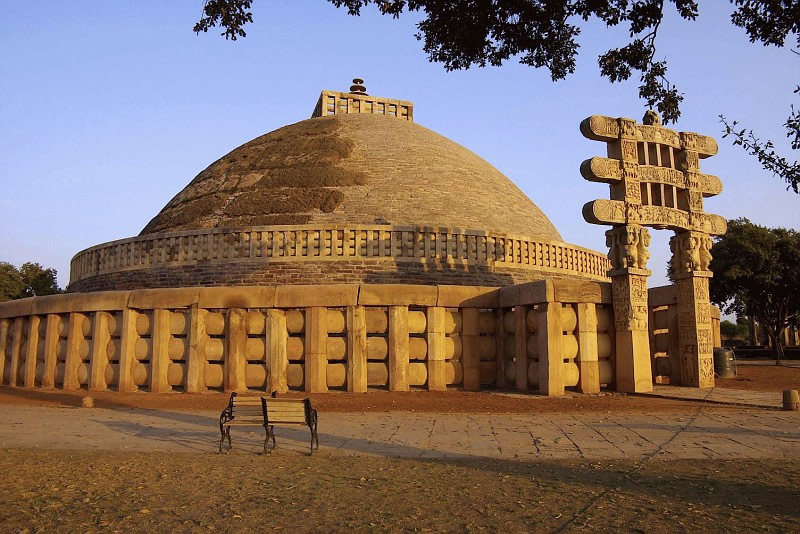
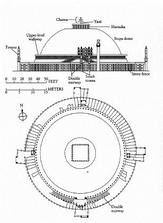
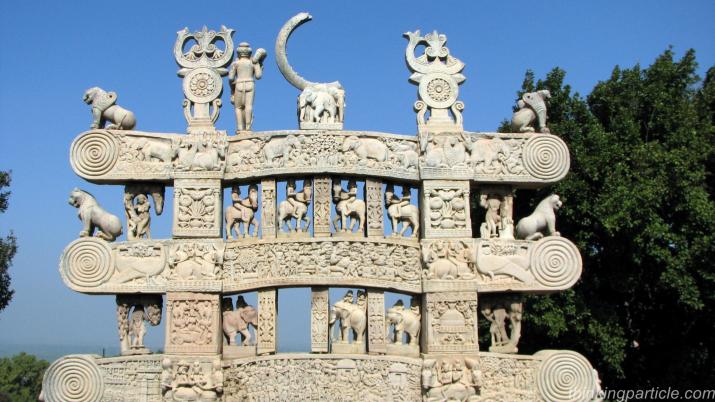
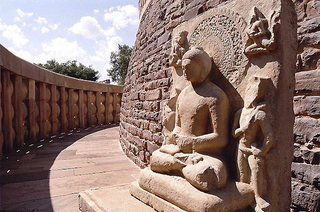
Great Stupa at Sanchi. Madhya Pradesh, India. Buddist; Maurya, late Sunga Dynasty. c. 300 B.C.E. -100 C.E.; Stone masonry, sandstone on dome.
Top Left: Great Stupa
Top Right: North Gate
Bottom Left: Plan and Elevation
Bottom Right: Detail of curved walls
Top Left: Great Stupa
Top Right: North Gate
Bottom Left: Plan and Elevation
Bottom Right: Detail of curved walls
|
|
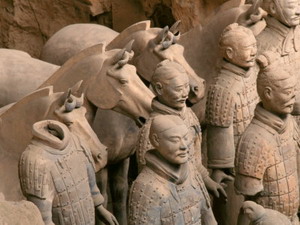
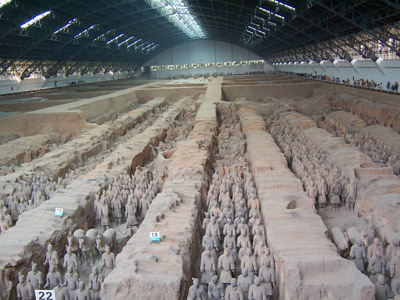
Terra Cotta Warriors from mausoleum of the first Qin Emperor of China. Qin Dynasty. c. 221-209 B.C.E.; Painted terra cotta.
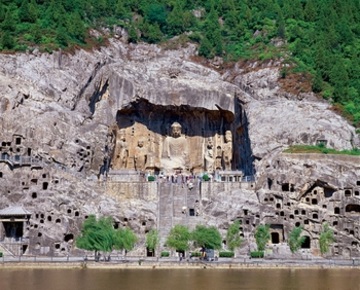
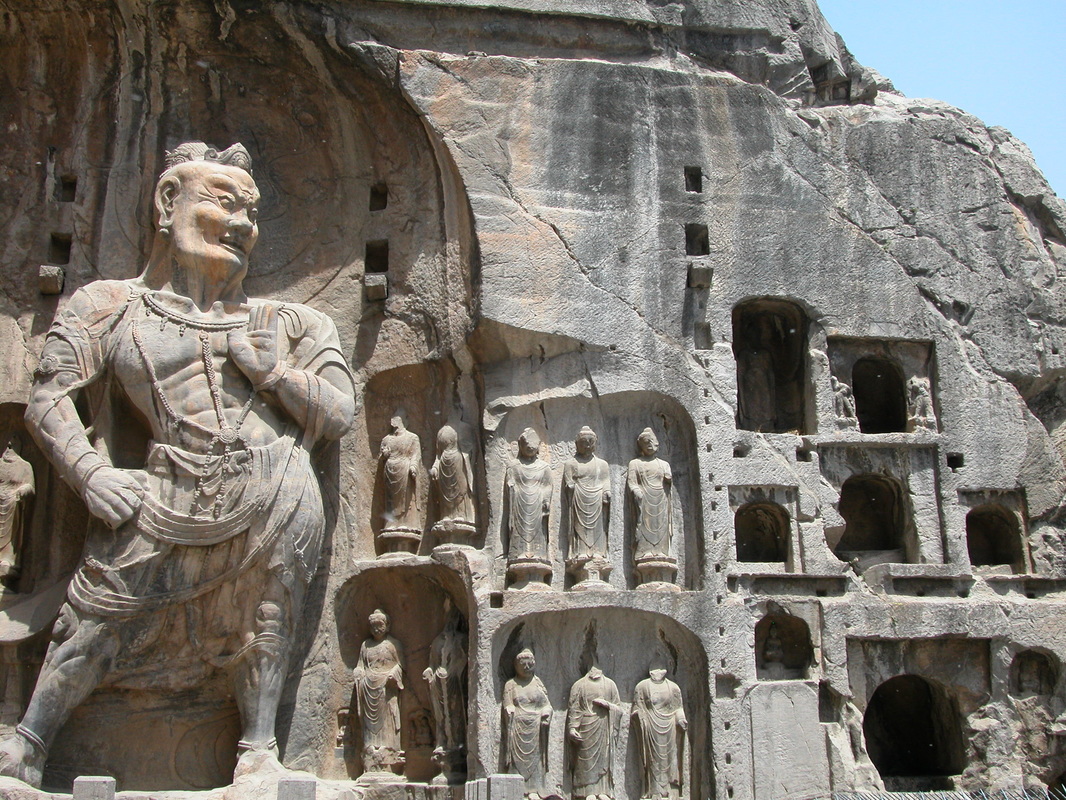
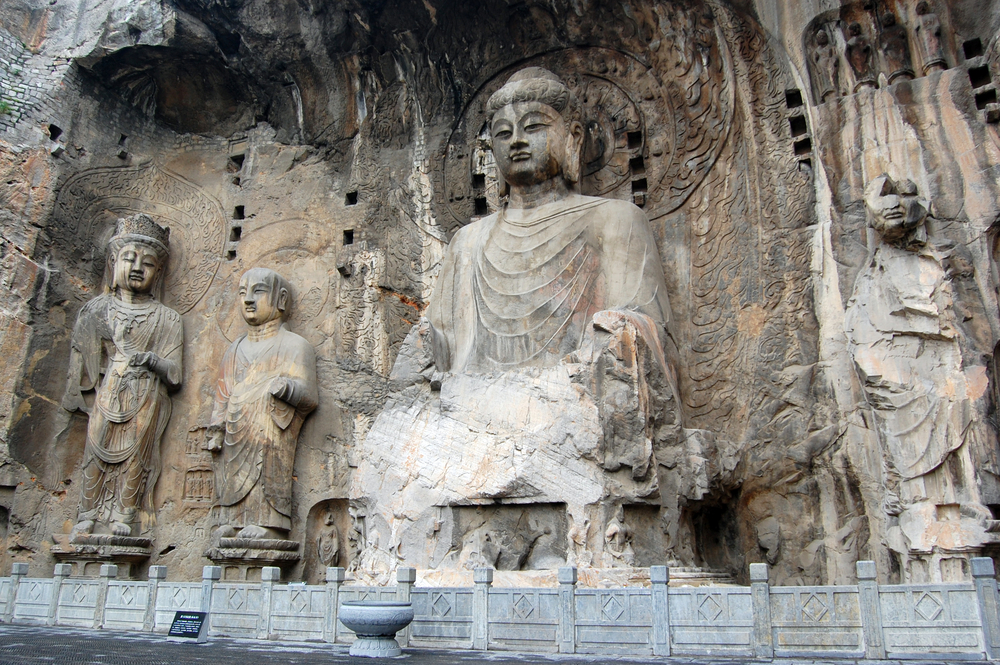
Longman Caves. Luoyang, China. Tang Dynasty. 493-1127 C.E.; Limestone.
Top Left: Long view of the Longman Caves Top Right: Detail of side statues Bottom: Detail of center staute |
|
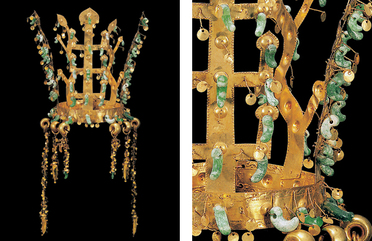
Gold and Jade Crown. Korea. Three Kingdoms Period, Silla Kingdom. 5th to 6th century C.E.; Metalwork and stone.
|
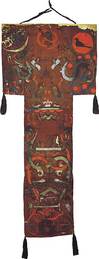
Funeral banner of Lady Dai (Xin Zhui). Han Dynasty, China. c. 180 B.C.E.; Painted silk.
|
|
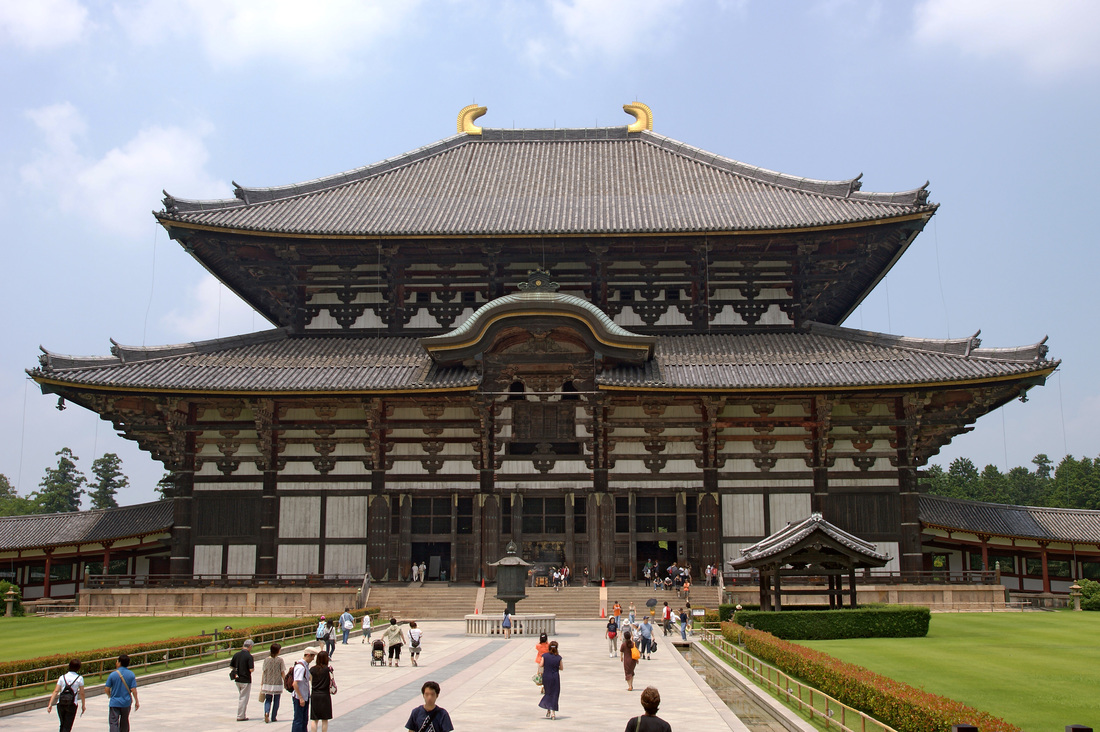
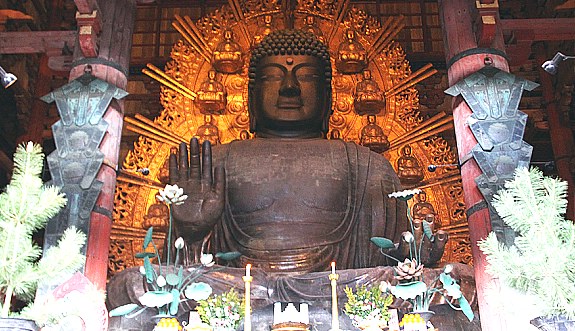
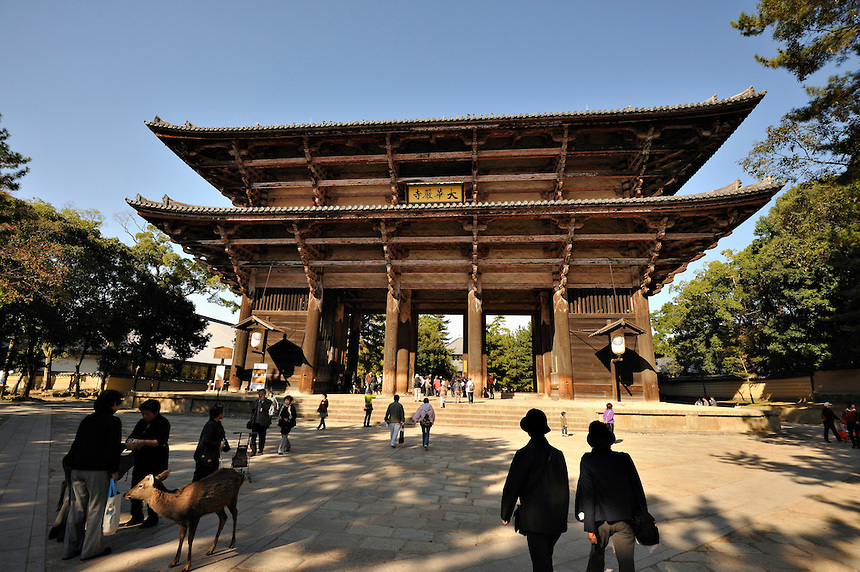
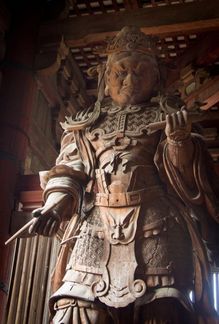
Todai-ji. Nara, Japan. Various artists, including sculptors Unkei and Keikei, as well as the Kei School. 743 C.E.; rebuilt c. 1700.; Bronze and wood (sculpture); wood with ceramic-tile roofing (architecture).
Top Left: Gate Top Right: Temple Bottom Left: Nio Guardian Statue Bottom Right: Great Buddha |
|
|
|
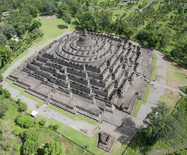
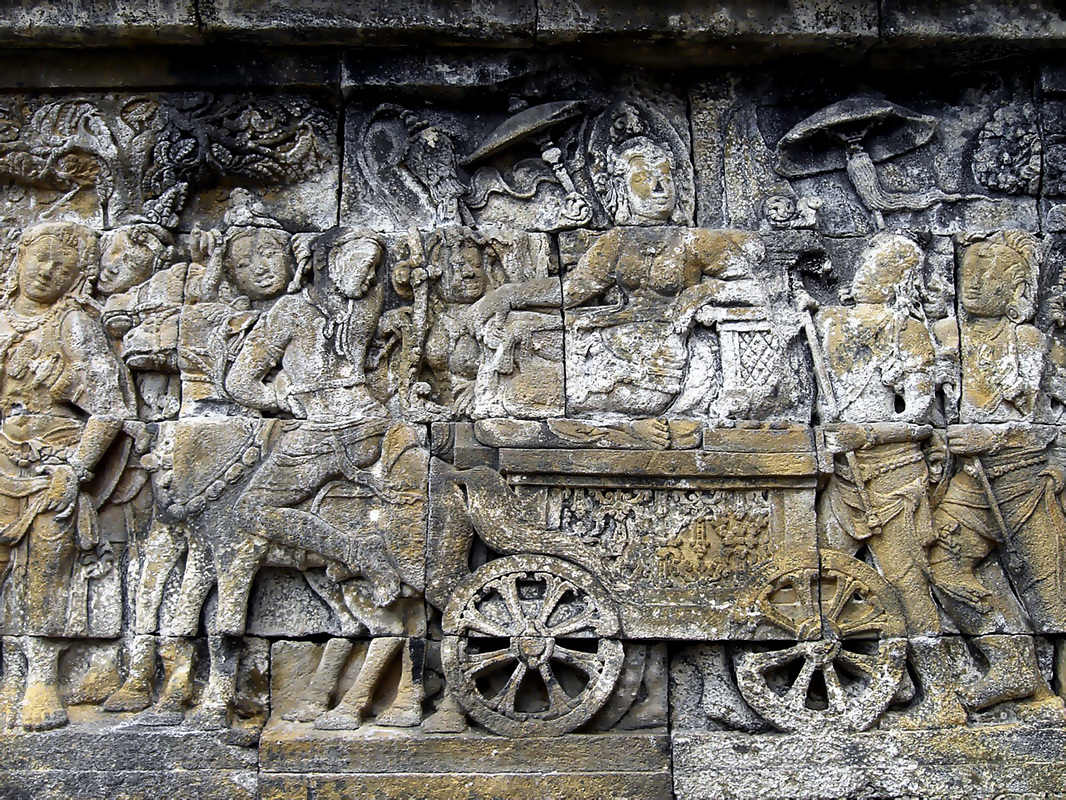
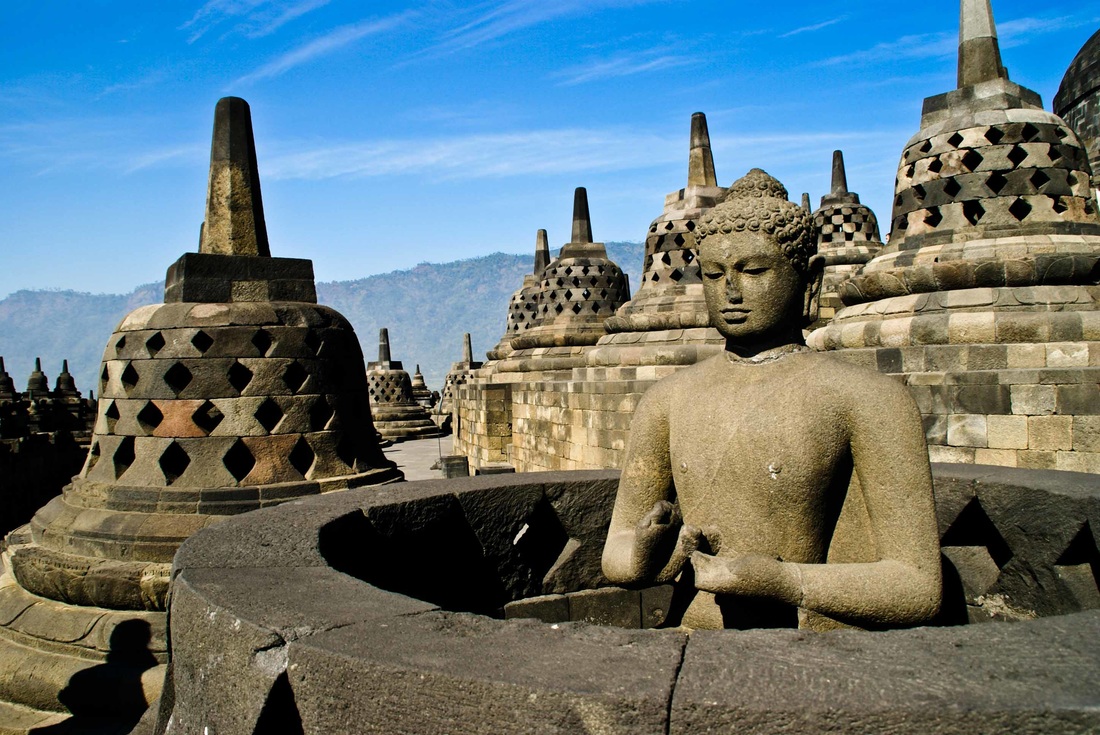
Borobudur Temple. Central Java, Indonesia. Sailendra Dynasty. c. 750-842 C.E.; Volcanic-stone masonry.
Left: Temple exterior
Middle: detail of Queen Maya relief
Right: Buddha sculpture
Left: Temple exterior
Middle: detail of Queen Maya relief
Right: Buddha sculpture
|
|
|
|
|
|
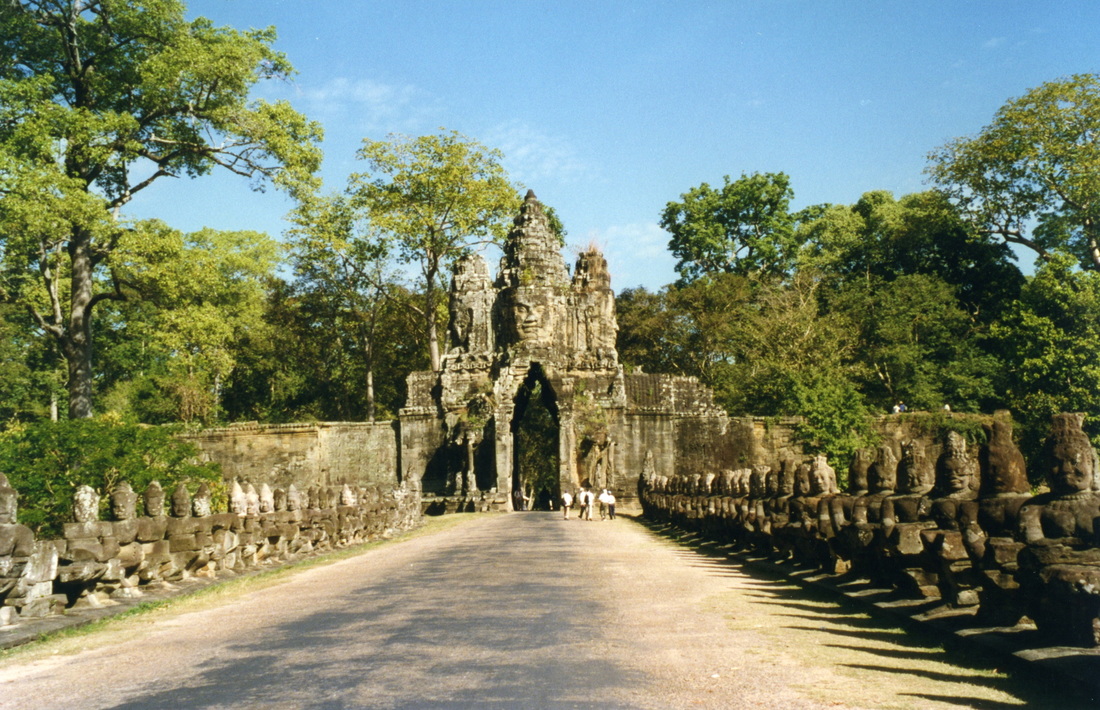
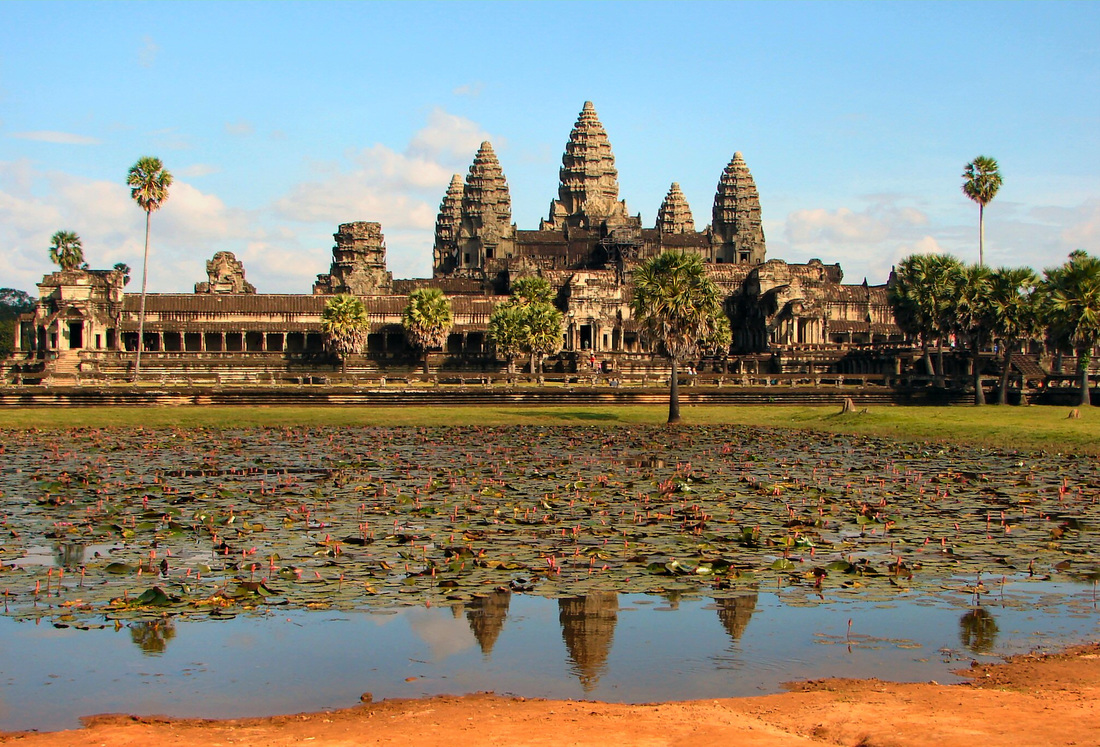
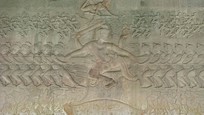
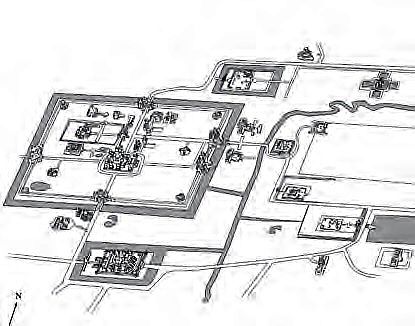
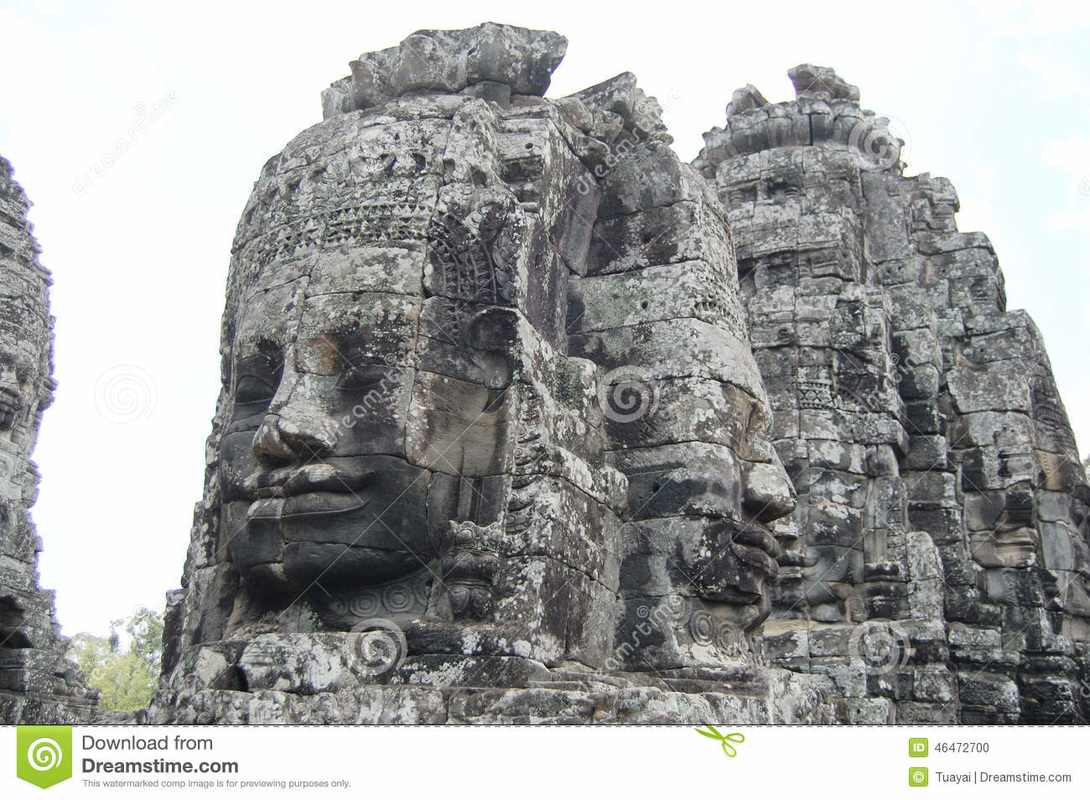
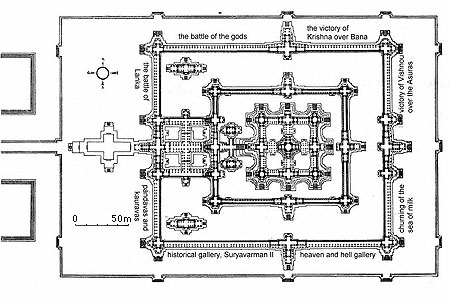
Angkor, the Temple of Angkor Wat, and the city of Angkor Thom. Cambodia. Hindu, Angkor Dynasty. c. 800-1400 C.E.; Stone masonry, sandstone.
Top Left: South Gate of Angkor Thom
Top Middle: Angkor Wat
Top Right: Churning of the Ocean of Milk relief
Bottom Left: Angkor site plan
Bottom Middle: Jayavarman VII as Buddha
Bottom Right: Angkor Wat plan
Top Left: South Gate of Angkor Thom
Top Middle: Angkor Wat
Top Right: Churning of the Ocean of Milk relief
Bottom Left: Angkor site plan
Bottom Middle: Jayavarman VII as Buddha
Bottom Right: Angkor Wat plan
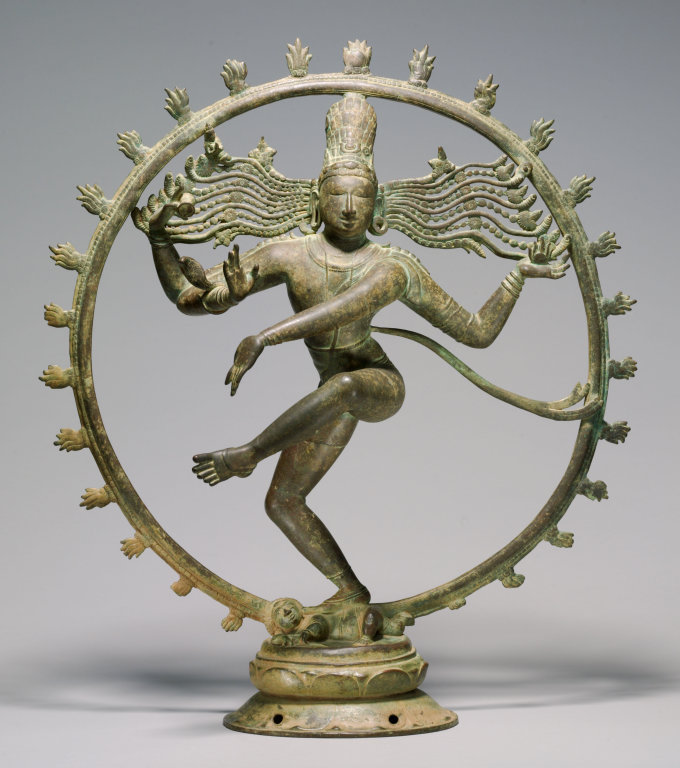
Shiva as Lord of the Dance (as Nataraja). Hindu. Tamil Nadu, India. Chola Dynasty. c. 11th century C.E.; Cast bronze.
|
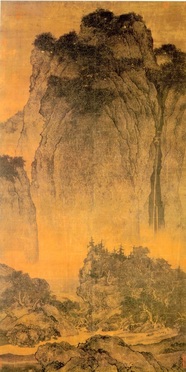
|
|
|
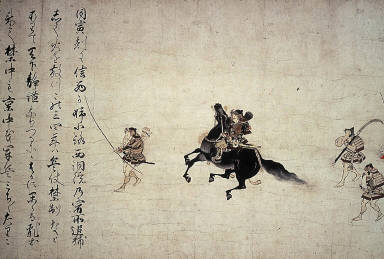
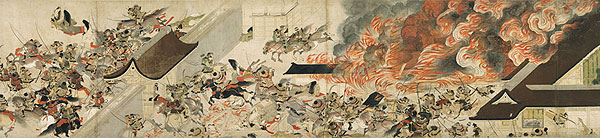
Night Attack on the Sanjo Palace. Kamakura Period. Japan. c. 1250-1300 C.E.; Handscroll - ink on paper.
|
|
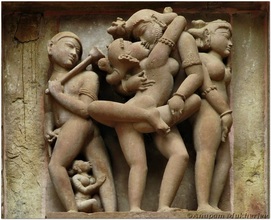
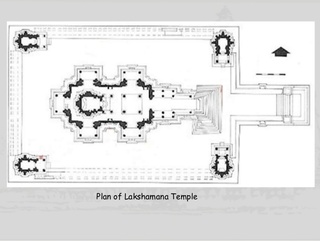
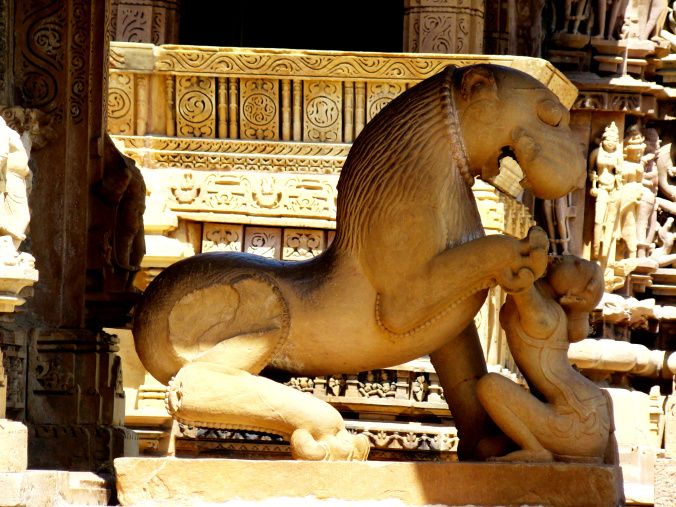
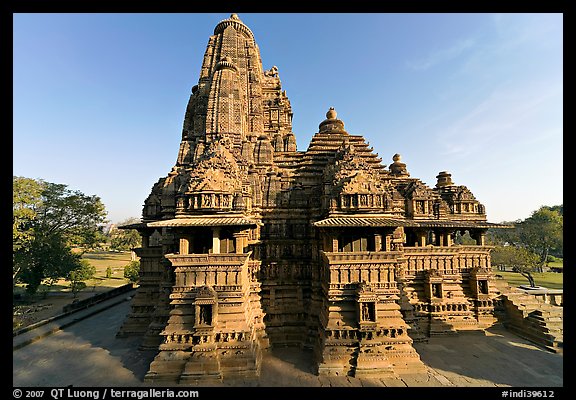
Lakshmana Temple. Khajuraho, India. Hindu. Chandella Dynasty. c. 930-950 C.E.; Sandstone.
Top Left: Detail
Top Right: Detail
Bottom Left: Temple plan
Bottom Right: Lakshmana Temple
Top Left: Detail
Top Right: Detail
Bottom Left: Temple plan
Bottom Right: Lakshmana Temple
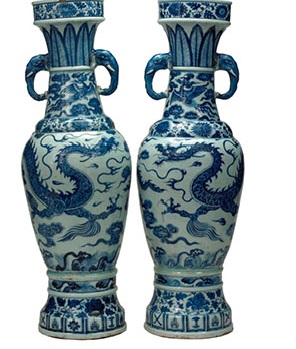
The David Vases. Yuan Dynasty, China. 1351 C.E.; White porcelain with cobalt-blue underglaze.
|
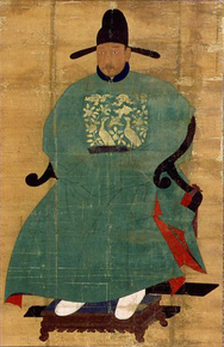
Portrait of Sin Sukju (1417-1475). Imperial Bureau of Painting. c. 15th century C.E.; Hanging Scroll - ink and color on silk.
|
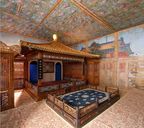
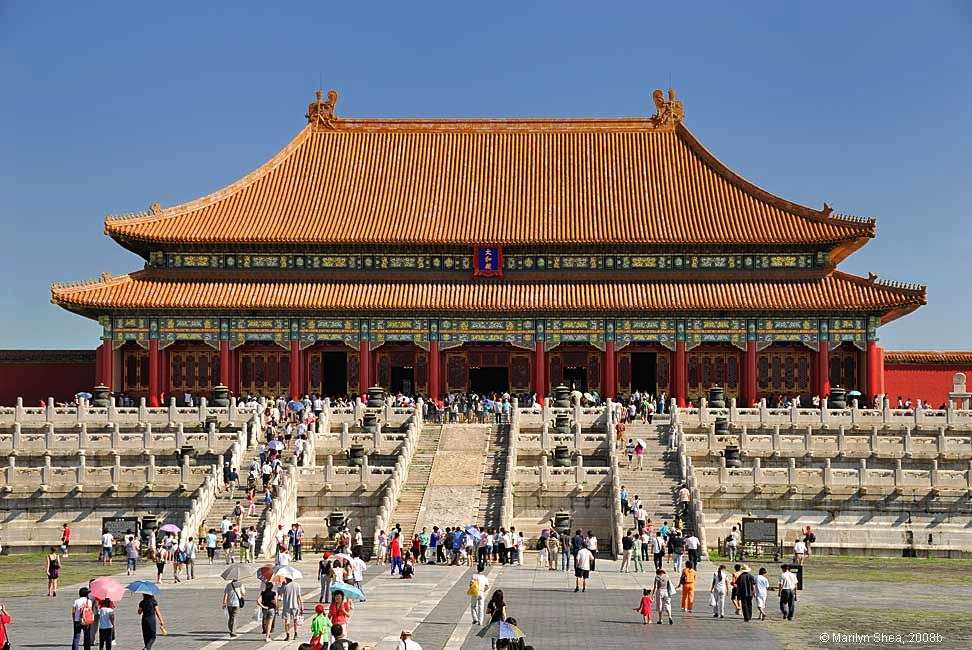
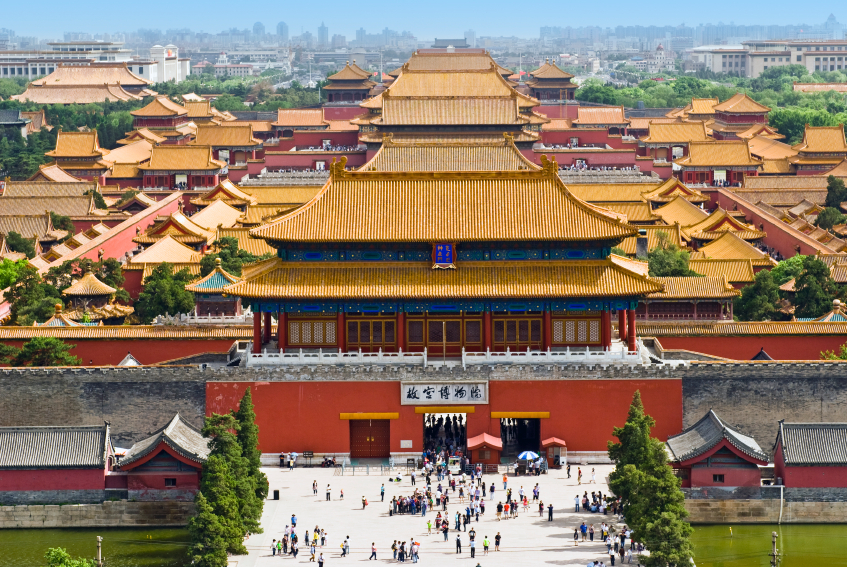
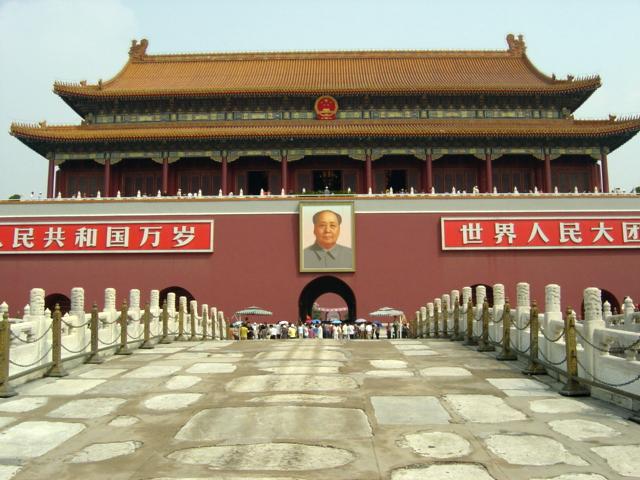
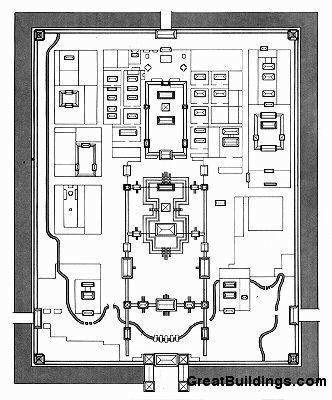
Forbidden City. Beijing, China. Ming Dynasty. 15th Century C.E. and later. Stone masonry, marble, brick, wood, and ceramic tile.
Top Left: Palace of Tranquility & Longevity Top Middle: Hall of Supreme Harmony Top Right: Front Gate Bottom Left: Forbidden City Bottom Right: site plan |
|
|
|
|
|
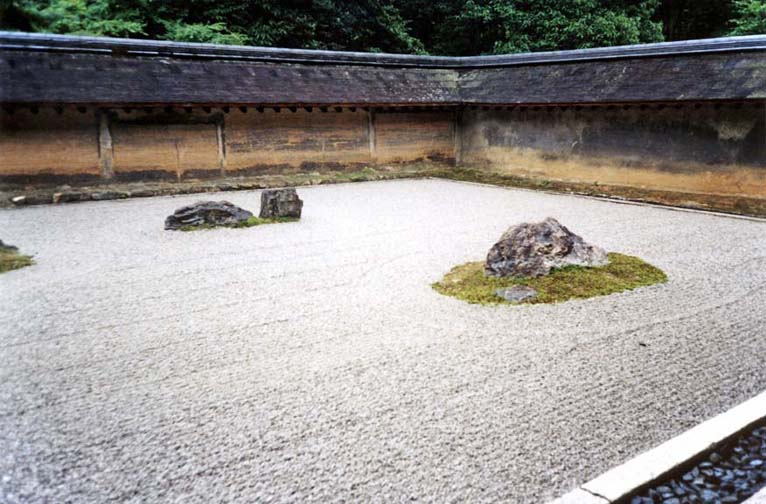
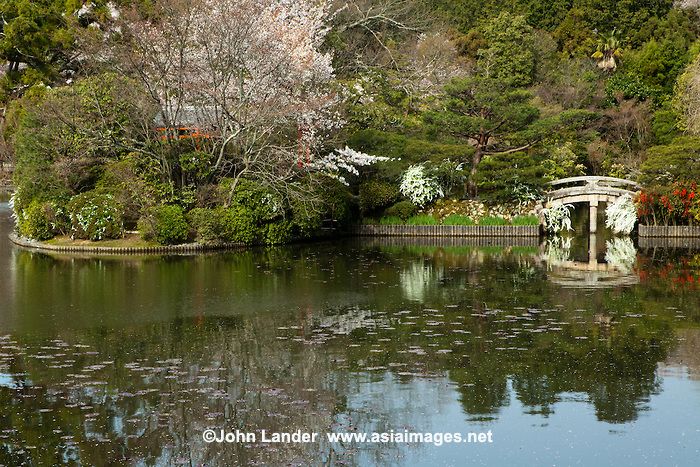
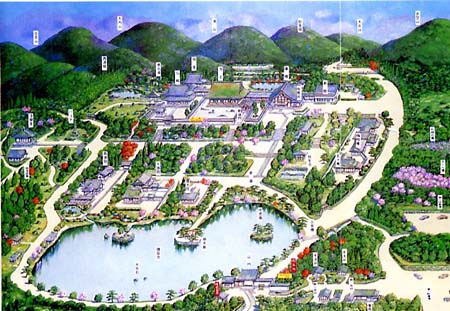
Ryoan-ji. Kyoto, Japan. Muromachi Period. c. 1480 C.E.; current design most likely dates to the 18th century. Rock and water gardens.
Left: Dry Garden
Middle: Wet Garden
Right: Site plan
Left: Dry Garden
Middle: Wet Garden
Right: Site plan
|
|
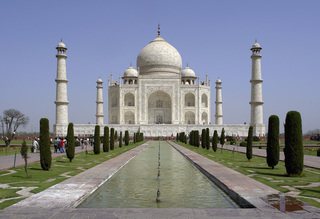
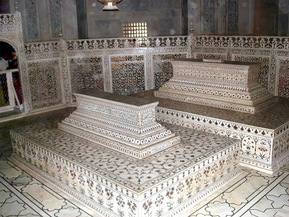
Taj Mahal. Agra, Uttar Pradesh, India. Masons, marble workers, mosaicists, and decorators working under the supervision of Ustad Ahmad Lahori, architect of the emperor. 1632-1653 C.E.; Stone masonry and marble with inlay of preciousand semi-precious stones; gardens.
Left: Exterior
Right: Tombs of Shah Jahan and wife
Left: Exterior
Right: Tombs of Shah Jahan and wife
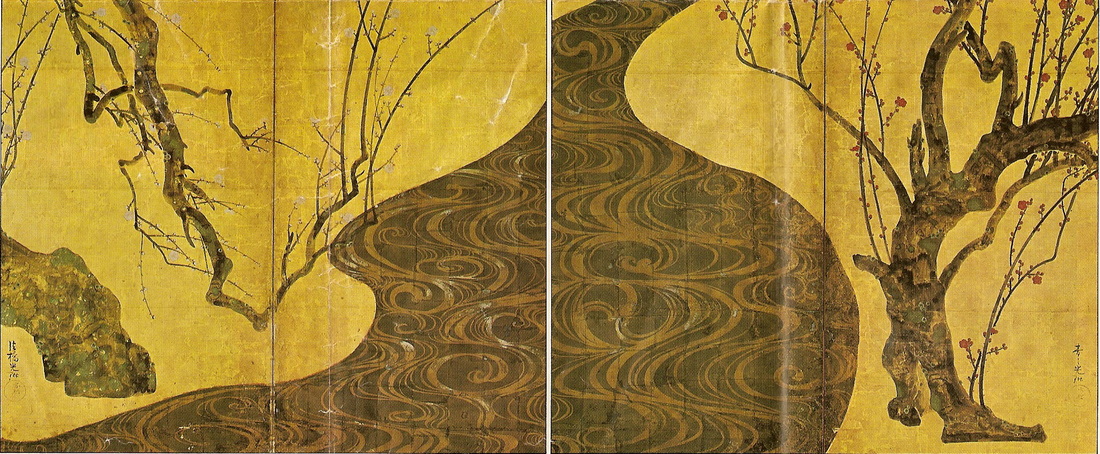
White and Red Plum Blossoms. Ogata Korin. c. 1710-1716 C.E.; Ink, watercolor, and gold leaf on paper.
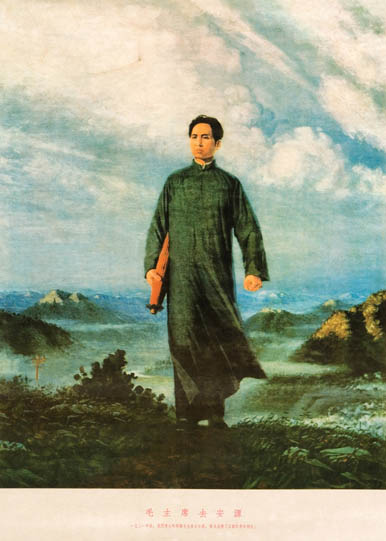
Chairman Mao en Route to Anyuan. Artist unknown; based on an oil painting by Liu Chunhua. c. 1969 C.E.; Color Lithograph.
|
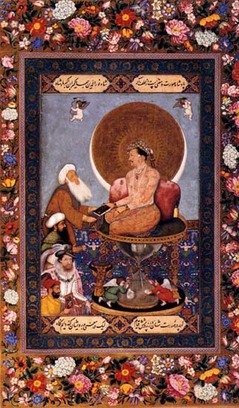
Jahangir Preferring a Sufi Shaikh to Kings. Bichitr (artist). c. 1620 C.E.; Watercolor, gold, and ink on paper.
|
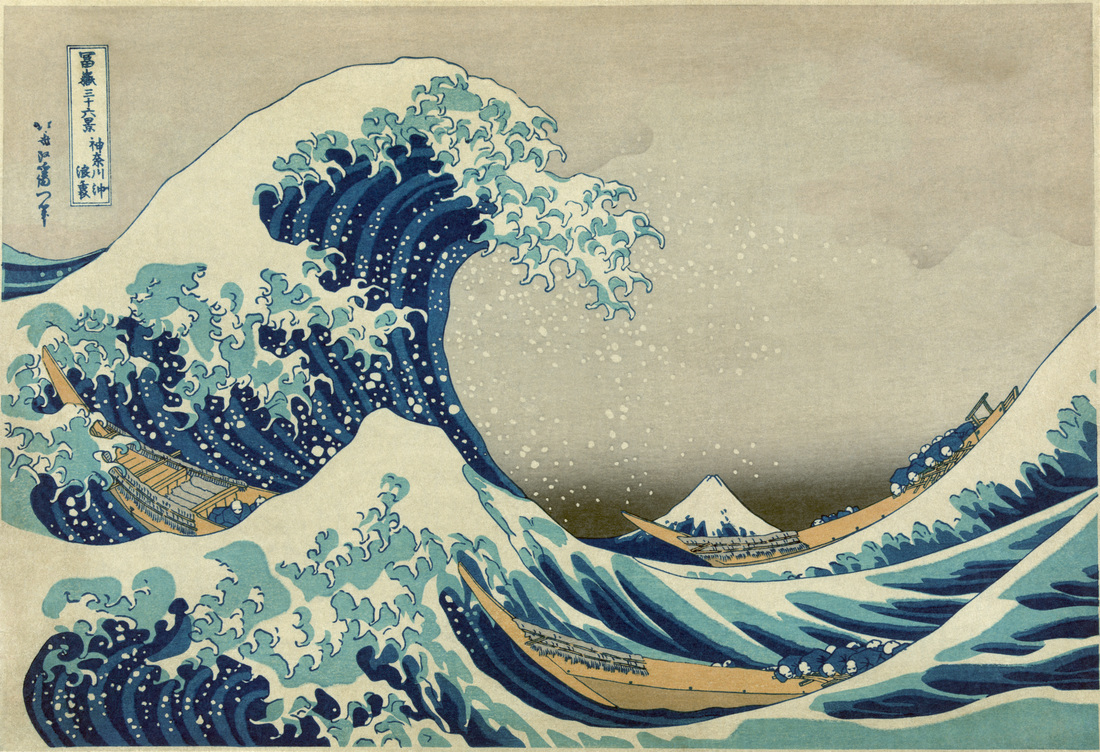
Under the Wave off Kanagawa (Kanagawa oki nami ura), also known as the Great Wave, from the series Thirty-six Views of Mount Fuji. Katsushikan Hokusai. 1830-1833 C.E.; Polychrome woodblock print; ink and color on paper.